ICOM IC-A25N Handheld NAV/COM Transceiver w/ Bluetooth – Open Box: Portable Aviation Radio
ICOM IC-A25N Handheld NAV/COM Transceiver w/ Bluetooth – Open Box: Portable Aviation Radio
Blog Article
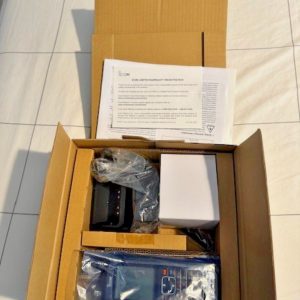
:::writingvariant="document" id="58314" ICOM IC-A25N Handheld NAV/COM Transceiver w/ Bluetooth – Open Box: Reliable NAV/COM Performance The ICOM IC-A25N Handheld NAV/COM Transceiver w/ Bluetooth – Open Box is designed for aviation users seeking a capable portable radio that can support communication and navigation-related operations. Choosing an open-box aviation radio may allow buyers to obtain advanced pilot equipment at a more accessible price than a comparable factory-sealed package. An ICOM IC-A25N Handheld NAV can support pilots who need a portable radio for cockpit backup, preflight monitoring, flight training, and general aviation communication. The ICOM IC-A25N Aviation Radio offers portable flexibility for aircraft owners who do not want to rely exclusively on panel-mounted communication equipment. An ICOM IC-A25N Handheld Radio offers mobility that panel-mounted equipment cannot provide, allowing users to communicate from the aircraft, ramp, hangar, or operations area. Choosing a Handheld NAV/COM Aviation Transceiver can support organized flight preparation, backup planning, and portable cockpit communication. Whether pilots need a Handheld Aviation Radio, Aviation NAV/COM Radio, Pilot Handheld Radio, or portable Aircraft Communication Radio, the complete package should be inspected and tested. For many operators, the radio can combine the roles of Portable Aviation Transceiver, Aviation Communication Device, Handheld Aircraft Radio, and emergency backup equipment.
Overview of the ICOM IC-A25N Aviation Radio
The IC-A25N combines portable aviation communication capability with navigation-oriented features intended to support a broad range of pilot activities. A handheld NAV/COM platform can serve as primary portable equipment in suitable operations or as supplementary equipment alongside panel avionics. The radio may perform very effectively in some environments while experiencing reduced range inside certain aircraft or buildings. Pilots should test the radio during routine conditions and become familiar with its operation before expecting to use it during an urgent situation.Benefits of the ICOM IC-A25N Handheld NAV
A handheld NAV radio can be valuable to flight instructors who demonstrate aviation communication and navigation concepts during training. Private pilots may carry the device during cross-country flights, aircraft repositioning, fly-ins, or travel in rented airplanes. The handheld radio should be operated according to the manufacturer’s instructions and integrated responsibly into the pilot’s overall workflow. Organized cockpit placement improves access while protecting the radio from impact, movement, moisture, and accidental activation.Using the ICOM IC-A25N Aviation Radio
An ICOM IC-A25N Aviation Radio can serve pilots who need portable communication for flight operations, aircraft delivery, training, airport coordination, or emergency preparedness. Aircraft sales organizations may keep handheld radios available during demonstrations, repositioning, delivery preparation, and customer familiarization. Buyers should consider the radio’s physical condition, battery age, charging more info equipment, antenna, clips, headset accessories, manuals, packaging, and evidence of proper operation. An independent review may provide additional confidence when the radio cannot be examined in person.ICOM IC-A25N Handheld Radio Portability
Portable operation can be valuable to users who fly several airplane types or who do not control the installed equipment available in every cockpit. Responsible storage preserves physical condition and improves the likelihood that the radio will function correctly when needed. Portability also allows the radio to be charged and configured away from the aircraft, helping pilots prepare frequencies and settings before entering the cockpit. Proper storage temperature and periodic charging can help preserve long-term battery and equipment performance.Choosing a Handheld NAV/COM Aviation Transceiver
A NAV/COM transceiver can support normal operations, training, backup planning, aircraft delivery, and selected ground activities. Buyers should compare interface design, battery options, charging arrangements, antenna quality, accessory availability, display readability, audio performance, and operational needs. The radio should be inspected before every important flight for battery charge, antenna security, control response, display condition, volume setting, and physical damage. Regular care supports reliable operation, protects resale value, and reduces the risk of missing components.Handheld Aviation Radio Applications
Handheld radios provide communication flexibility where panel equipment is unavailable, temporarily unpowered, difficult to access, or assigned to another aircraft. Backup capability may help pilots maintain access to important communication options while managing an abnormal situation appropriately. The operating manual and applicable aviation procedures should guide setup and use. Users should understand local procedures before transmitting from airports, airshows, training areas, or ground facilities.Benefits of an Aviation NAV/COM Radio
An integrated aviation radio can provide a convenient secondary tool during flight planning, cockpit preparation, and selected in-flight operations. Pilots should avoid changing complex settings when attention is required for aircraft control, traffic awareness, navigation, or communication duties. A handheld device may provide valuable reference information but should not replace required installed equipment or approved procedures where those are necessary. The antenna should be attached properly and protected from interference with controls or cockpit movement.Pilot Handheld Radio Applications
A Pilot Handheld Radio offers flexibility to aviation professionals whose work involves several aircraft, airports, and operational environments. The microphone, antenna, cables, headset adapters, and charger should be stored so they do not become tangled or damaged. Pilots can include the handheld in periodic proficiency exercises without making unauthorized or unnecessary transmissions. Battery condition should be reassessed as the pack ages or shows reduced capacity, charging problems, unusual heat, or physical changes.Choosing an Aircraft Communication Radio
A handheld radio may provide additional flexibility during aircraft demonstrations, test preparation, delivery operations, or extended maintenance events. A strong transceiver cannot compensate for poor microphone technique, excessive background noise, incorrect frequency selection, or unclear messages. Users should establish realistic expectations by testing the radio in normal conditions rather than assuming identical range to panel equipment. Users should stop relying on the unit if it displays intermittent function or unexplained shutdowns until the concern is resolved.Maintaining a Portable Aviation Transceiver
The device can support airport ground activities, remote-airfield operations, aircraft inspections, maintenance coordination, and flight preparation. The owner should keep the package organized so no essential component is missing when the radio is needed. A wired backup arrangement may remain useful when Bluetooth accessories lose charge, disconnect, or experience interference. Careful setup allows portable wireless communication features to improve convenience without creating unnecessary cockpit distraction.Benefits of an Aviation Communication Device
The ideal device balances functionality with an interface the user understands and can operate confidently. The seller should explain the product’s status and disclose any evidence of use, missing materials, registration, or cosmetic handling. Equipment logs can improve accountability when several instructors, pilots, or technicians share one transceiver. A well-managed Aviation Communication Device can support efficient and dependable operations across many aviation roles.Maintaining a Handheld Aircraft Radio
The device may also support pilots at airports where communication must begin before the aircraft electrical system is activated. Pilots may prepare frequencies and settings before entering the cockpit, reducing setup workload after engine start. A planned storage position supports fast retrieval while protecting the radio and aircraft interior. Charging ports and connectors should remain dry and free from debris before accessories are attached.Choosing an Aviation Navigation Radio
Navigation functions can add value during training, planning, route familiarization, and backup preparation when used appropriately. A demonstration or careful manual review can help users understand displays, menus, stored information, and navigation-related controls. A handheld radio should not be treated as a substitute for equipment or procedures required by regulation, aircraft approval, or operating conditions. Careful preparation allows an Aviation Navigation Radio to provide practical value without increasing cockpit workload unnecessarily.Choosing an ICOM Pilot Radio
The IC-A25N provides a combination of communication, navigation support, Bluetooth connectivity, and portable power suitable for varied aviation roles. Brand reputation should be considered alongside the condition and completeness of the specific unit being purchased. Buyers should compare the offered radio with their headset, Bluetooth devices, aircraft environment, charging resources, and expected operating frequency. Once acquired, the radio should be labeled, documented, configured, charged, tested, and stored in an accessible location.Choosing an Emergency Aviation Radio
The IC-A25N can become part of a broader emergency equipment strategy appropriate to the aircraft, route, environment, and pilot’s needs. A written quick-reference guide may help, but it should remain simple enough to use without creating distraction. Redundancy is strongest when the user has more than one practical method of hearing and transmitting with the device. Any missing charger, antenna, adapter, cable, or battery concern should be corrected before the radio is relied upon.Backup Aircraft Radio Applications
A Backup Aircraft Radio provides communication redundancy for pilots who want an alternative to the primary panel-mounted transceiver. The radio should be included in preflight equipment checks appropriate to the planned operation. The pilot should determine whether the radio will be operated through its built-in audio, Bluetooth accessory, or wired headset connection. The handheld radio should support safe aircraft management rather than draw attention away from immediate flight responsibilities.Open-Box ICOM IC-A25N Purchase Checklist
A careful physical review helps determine whether the product condition matches the seller’s open-box description. The seller should identify whether original packaging, manuals, warranty materials, and product registration documents remain available. Battery behavior should be observed for unusual heat, rapid discharge, charging failure, physical swelling, or poor connection. A professional purchasing process protects both parties and supports a fair evaluation of the open-box aviation transceiver.Maintaining a Portable NAV/COM Transceiver
Long-term reliability depends on battery care, protected storage, correct charging, careful antenna handling, clean connectors, updated familiarity, and prompt attention to operating concerns. Occasional-use radios should still receive periodic checks because batteries and electronic components can deteriorate during inactivity.- Check for cracks, loose parts, damaged buttons, display concerns, weak battery performance, antenna damage, charging problems, and missing accessories.
- Test the complete communication setup in an appropriate manner and understand how to use the radio without Bluetooth if needed.
- Use a protective case or dedicated flight-bag compartment so the radio remains accessible, complete, and free from damage.